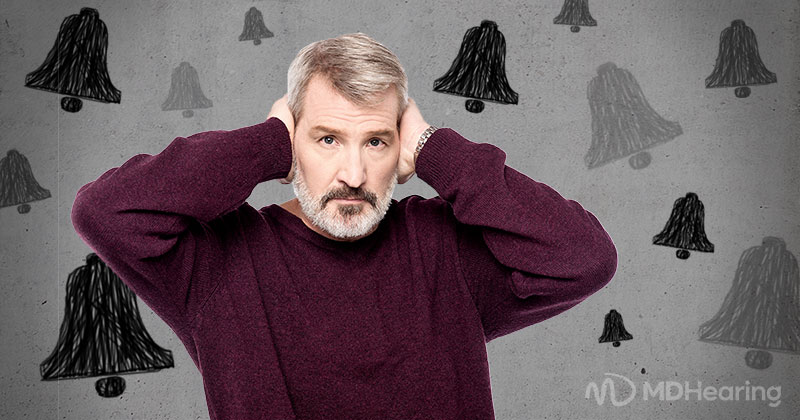
Have you ever experienced a ringing or buzzing in your ears after spending hours at a loud concert? Do you sometimes hear these annoying sounds randomly or for no apparent reason?
Tinnitus is a common problem affecting approximately 50 million people in the U.S., and the prevalence increases for older adults.
Tinnitus can be an immense pain, causing issues with sleep, concentration, emotions, thought process, and hearing. So, what is tinnitus, how it is connected to hearing loss, and should you get hearing aids for tinnitus? We’ll cover all that and more in this article.
Key Takeaways
Tinnitus and hearing loss are often connected, and many people with chronic tinnitus also experience some degree of hearing loss.
Hearing loss is one of the most common causes of tinnitus.
While hearing aids cannot cure tinnitus, they may help reduce its impact by amplifying environmental sounds.
Ringing in ears sound therapy and other masking techniques may help make tinnitus less noticeable.
Protecting your hearing and seeking treatment early may help prevent symptoms from worsening.
A hearing test can help determine whether hearing loss is contributing to tinnitus symptoms.
What Is Tinnitus?
Tinnitus is the perception of sound—such as ringing, buzzing, hissing, or humming—in the ears or head without any external source. It is a symptom rather than a disease and is often linked to hearing changes or damage in the auditory system.
Tinnitus occurs when the auditory system is disrupted. When the brain receives less sound input due to hearing loss or inner ear damage, it may become more sensitive and “fill in the gaps” by generating internal sound signals. This can result in the sensation of ringing or other phantom noises.
Types of Tinnitus?
Tinnitus can present in different forms depending on its cause and how it is experienced:
Subjective Tinnitus – The most common type. Only the person experiencing it can hear the sound. It is often associated with hearing loss or exposure to loud noise.
Objective Tinnitus – A rare form that can sometimes be heard by a healthcare provider during an examination. It is often linked to physical causes such as blood vessel or muscle-related conditions and may pulse in rhythm with the heartbeat.
Somatosensory Tinnitus– A type of tinnitus that changes with body movement or touch, such as turning the head, moving the neck or jaw, or applying pressure to certain areas. It is commonly associated with musculoskeletal or nerve-related factors.
Symptoms of Tinnitus
People experience tinnitus differently, which is why symptoms can vary from person to person. While tinnitus is often described as a ringing sound, it may also be perceived as buzzing, whistling, clicking, chirping, humming, roaring, shrieking, or hissing. Some individuals hear one type of sound consistently, while others notice that the sound changes over time.
Tinnitus may occur in one ear, both ears, or seem to originate from inside the head. However, tinnitus that affects only one ear, develops suddenly, or changes significantly should be evaluated by an ear, nose, and throat (ENT) specialist.
Common tinnitus symptoms include:
Ringing, buzzing, humming, or hissing sounds in the ears
Sounds that come and go or remain constant
Difficulty concentrating in quiet environments
Trouble falling asleep due to loud ringing in ears
Increased awareness of symptoms at night
Difficulty hearing conversations when tinnitus and hearing loss occur together
The Connection Between Tinnitus and Hearing Loss
It's possible to experience tinnitus without hearing loss or vice versa. However, the majority of those who suffer from chronic tinnitus also have some degree of hearing loss.
An early study in France determined a correlation between tinnitus and hearing loss experiences. For example, age or noise-related hearing loss was typically accompanied by a constant, high-pitched tinnitus sound. In contrast, hearing loss due to Meniere’s disease typically coincided with a fluctuating, low humming sound. Researchers also found that the perceived loudness of the sound produced by tinnitus has a strong association with the degree of hearing loss.
More recent studies indicated a strong link between tinnitus severity and hearing loss. People with no tinnitus or low- to medium-frequency tinnitus (125∼2,000 Hz) have less hearing loss, whereas those with high-frequency tinnitus (3,000∼8,000 Hz) have more hearing loss.
Why Does Hearing Loss Cause Tinnitus?
When hearing is damaged, whether from aging, noise exposure, illness, or injury, the ears send fewer sound signals to the brain. In response, the brain may try to compensate for the missing input by increasing activity within the auditory system. This extra neural activity can be perceived as sounds that aren't actually present, such as ringing, buzzing, hissing, or humming. This phenomenon is known as tinnitus.
Common Causes of Hearing Loss That May Lead to Tinnitus
Age-related hearing loss (presbycusis)
Exposure to loud noises
Ear infections or earwax blockages
Certain medications that affect hearing
Head or neck injuries
Inner ear disorders
Why Tinnitus Often Seems Worse in Quiet Environments
When there is little background noise, the brain has fewer external sounds to focus on. This can make tinnitus more noticeable, especially at night or in quiet rooms.
Signs Your Tinnitus May Be Related to Hearing Loss
Many people don't realize that tinnitus and hearing loss frequently occur together. In some cases, hearing changes develop gradually and go unnoticed until tinnitus becomes more apparent.
Signs that your tinnitus may be associated with hearing loss include:
Frequently asking people to repeat themselves
Difficulty hearing conversations in noisy environments
Turning up the television volume more than others prefer
Trouble hearing high-pitched voices or sounds
Feeling mentally exhausted after conversations
Experiencing persistent ringing, buzzing, or humming sounds
If these symptoms sound familiar, a hearing evaluation can help determine whether hearing loss is contributing to your tinnitus.
Causes of Tinnitus and Hearing Loss
Scientists don’t know exactly what causes tinnitus, but like general hearing loss, tinnitus has been linked to:
Exposure to loud noises
Ear and sinus infections
Migraine headaches, head injuries, and certain types of tumors in or around the ear or in the brain
Otosclerosis
Meniere’s disease (including chronic vertigo and other health problems)
High doses of caffeine and cigarette use
Certain drugs or medications (e.g., aspirin, NSAIDs, antibiotics, antimalarials, anticonvulsants, cancer drugs, diuretics, and antidepressants)
Heart disease, hypertension, vascular disease, thyroid abnormalities and hormonal changes
Temporomandibular joint (TMJ) disorders
Stress
Do Hearing Aids Help With Tinnitus?
For many individuals, the answer is yes. Although hearing aids do not cure tinnitus or eliminate the sounds completely, they may help reduce awareness of tinnitus symptoms, particularly when hearing loss is also present.
By amplifying speech and environmental sounds, hearing aids provide the brain with more auditory input. This can make tinnitus less noticeable and help reduce the contrast between tinnitus and a quiet environment. Many users also find that improved hearing leads to less listening effort and reduced frustration during conversations.
If you have both tinnitus and hearing loss, hearing aids may be one of the most effective management tools available.
Should You Get a Hearing Test If You Have Tinnitus?
If you experience persistent tinnitus, scheduling a hearing evaluation is often one of the most important steps you can take.
Many people are surprised to learn they have hearing loss because changes can occur gradually over time. A hearing test can help identify whether hearing loss may be contributing to tinnitus and provide valuable information about your overall hearing health.
Because tinnitus causes can vary from person to person, identifying any underlying hearing loss can help guide treatment recommendations and determine whether hearing aids or other management strategies may be beneficial.
Click Here to Test Your Hearing Online Now
Protect Your Hearing To Prevent Tinnitus
Tinnitus often goes away on its own and may not cause you any permanent problems. In other cases, chronic tinnitus can become more than an annoyance. If left untreated, it can interfere with one's ability to sleep, concentrate, work, and even lead to distress and depression. Protecting your hearing from loud noises is one of the best ways to prevent tinnitus.

You can protect your ears in the following ways:
Distance yourself from loud noises when possible
Use hearing protection when loud noises can't be avoided (e.g., ear plugs, ear muffs)
Keep the volume down on headphones, radio, TV, etc.
Give your ears a break from loud music or noise
The effects of a loud noise depend on how loud it is and how long you’re exposed to it. The best hearing protection is to avoid loud noises altogether.
Take the First Step Toward Better Hearing
If you suspect hearing loss may be contributing to your tinnitus, MDHearing makes it easy to get started. Take our free online hearing test from the comfort of your home and receive your results in minutes.
MDHearing offers affordable, FDA-registered over-the-counter hearing aids designed for adults with perceived mild to moderate hearing loss. By improving access to the sounds around you, hearing aids may help make tinnitus less noticeable while supporting clearer communication and a more enjoyable listening experience.
Explore MDHearing's hearing aid options to find the solution that best fits your needs. Every purchase includes a 60-day risk-free trial, a 100% money-back guarantee, and lifetime support from licensed hearing professionals, so you can feel confident taking the next step toward better hearing.
Browse our hearing aid options and try MDHearing risk-free!
COMPARE OUR HEARING AIDS
Frequently Asked Questions About Tinnitus and Hearing Loss
Can hearing aids stop ringing in the ears?
Hearing aids do not stop ringing in the ears or eliminate tinnitus entirely. However, they may help reduce symptoms and awareness of tinnitus by increasing access to everyday sounds and decreasing the contrast between tinnitus and quiet environments.
Why is tinnitus worse at night?
Many people notice tinnitus more at night because their environment becomes quieter. During the day, background sounds can help mask tinnitus. At night, the lack of environmental noise may make ringing, buzzing, or humming sounds seem more noticeable.
Can you have tinnitus without hearing loss?
Yes. Although hearing loss is one of the most common tinnitus causes, tinnitus can also be associated with earwax buildup, ear infections, certain medications, head or neck injuries, and other medical conditions. A hearing evaluation can help determine whether hearing loss is contributing to your symptoms.
What are the most common causes of tinnitus?
Common causes of tinnitus include age-related hearing loss, exposure to loud noise, earwax blockages, certain medications, ear infections, and some underlying medical conditions. Identifying the cause can help determine the most appropriate management strategy.
What is the best treatment for tinnitus caused by hearing loss?
For individuals with both tinnitus and hearing loss, hearing aids are often one of the most effective tinnitus treatments because they address hearing difficulties while helping reduce awareness of tinnitus. Other management options may include sound therapy, hearing protection, and lifestyle modifications.
Can hearing loss make tinnitus worse?
Yes. As hearing loss progresses, tinnitus may become more noticeable because the brain receives less auditory input. Addressing hearing loss early may help improve communication and reduce the impact of tinnitus on daily life.
How can I help prevent tinnitus?
While not all cases can be prevented, you can reduce your risk by protecting your ears from loud noise, keeping headphone volumes at safe levels, managing chronic health conditions, and scheduling regular hearing evaluations. Learning how to prevent tinnitus is an important part of maintaining long-term hearing health.